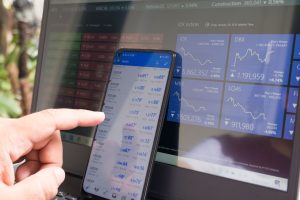
The financial markets are constantly changing, creating a need for flexible tools that can help traders monitor opportunities and manage their activities efficiently. TradingSphere Broker offers a trading environment focused on access to multiple market instruments and platform features. By bringing market analysis, trading functions, and account management into an organized environment, it can support users who want to explore different markets while following their own trading plans.
Table of Contents
- Exploring Global Market Instruments
- Trading Platform Features
- Market Analysis Tools
- Order Management and Trade Control
- Supporting Different Trading Approaches
- Building an Organized Trading Routine
- Conclusion
Exploring Global Market Instruments
Global financial markets contain a wide variety of instruments, each with its own characteristics and price behavior. A multi-asset trading environment allows users to explore categories such as currencies, commodities, indices, stocks, and other available instruments.
Having access to different markets can help traders compare price movements and study changing market conditions. Some instruments may experience higher volatility, while others may follow different patterns. Understanding these differences can help users select markets that are appropriate for their trading knowledge, objectives, and risk tolerance.
Trading Platform Features
A useful trading platform should provide straightforward access to important market information. Traders need to monitor prices, review charts, observe positions, and manage orders without unnecessary complications. A well-structured interface can make these activities easier to organize.
Customization can further improve the trading experience. Users may arrange charts, market lists, and other tools according to their preferred working style. Keeping frequently used information within easy reach can help traders maintain a more consistent routine when reviewing financial markets.
Market Analysis Tools
Analysis is an important part of preparing for a trade. Charting tools allow users to examine historical and current price movements across multiple timeframes. Traders can study short-term fluctuations as well as longer-term trends to develop a broader view of market behavior.
Technical indicators can provide additional information about momentum, volatility, and potential trend changes. Traders may also use chart-based tools such as trendlines and price levels when studying market structure. These features can support analysis, although they cannot guarantee a particular market outcome.
Order Management and Trade Control
Once a trader identifies a potential opportunity, effective order management becomes important. Platform functions can allow users to open and close positions, monitor active trades, and manage pending orders according to their strategies.
Risk control should be considered throughout the process. Stop-loss and take-profit levels can help establish potential exit points, while appropriate position sizing can limit excessive exposure. Traders should understand how much capital they are willing to risk before entering a position and avoid allowing short-term market movements to dictate decisions emotionally.
Supporting Different Trading Approaches
Trading strategies vary considerably from one individual to another. Some traders may focus on short-term price movements, while others may prefer to study broader market trends. A flexible platform can accommodate different approaches through multiple timeframes, analytical tools, and market-monitoring features.
Access to several instruments can also encourage traders to compare opportunities rather than concentrating on a single market. However, following more instruments requires careful organization and sufficient knowledge. Traders should focus on markets they understand rather than attempting to monitor everything at once.
Building an Organized Trading Routine
Technology can provide useful tools, but discipline remains essential. Traders can create watchlists, organize charts, monitor positions, and review previous decisions as part of a structured routine. Maintaining clear trading rules may help reduce impulsive decisions and encourage more consistent behavior.
Learning about market mechanics is equally important. Before committing significant funds, users should understand the instruments they are trading and consider practicing strategies in a controlled setting. Financial markets involve risk, and careful preparation is necessary.
Conclusion
Trading platforms can provide the tools needed to explore global financial instruments while keeping market analysis and trade management organized. With access to multiple markets, charting functions, order-management features, and customizable workspaces, TradingSphere Broker can offer a structured environment for exploring different trading approaches. Successful participation ultimately depends on knowledge, preparation, discipline, and responsible risk management.
At a Glance
- TradingSphere Broker offers a trading environment with access to multiple market instruments and platform features.
- Traders can explore various categories such as currencies, commodities, indices, and stocks in a multi-asset trading environment.
- A well-structured trading platform should provide easy access to market information, allowing traders to monitor prices and manage orders efficiently.
- Effective order management includes functions for opening and closing positions, monitoring trades, and establishing risk control measures.
- Different trading strategies can be supported by flexible platforms that accommodate multiple timeframes and analytical tools.
- Building and maintaining an organized trading routine is essential for traders to reduce impulsive decisions and ensure consistent behavior.