A requisition number is a unique identifier assigned to a purchase request or order within an organization. It streamlines the procurement process, facilitating tracking and management of transactions. This number serves as a reference point for both internal and external communication related to the particular request. In essence, a requisition number is the key to efficient and organized purchasing operations. Understanding its importance can significantly enhance workflow and accountability in any business setting.

What is a Requisition Number?
Welcome to our comprehensive guide on requisition numbers! If you’ve ever heard the term “requisition number” and wondered what it meant, you’re in the right place. In this article, we will explore the ins and outs of requisition numbers, how they are used in various contexts, and why they are important in different industries.
Understanding the Basics
Let’s start with the basics. A requisition number is a unique identifier assigned to a formal request for goods, services, or resources within an organization. It serves as a tracking mechanism to monitor the progress of the request from submission to fulfillment. Think of it as a special code that helps keep things organized and efficient.
Components of a Requisition Number
Requisition numbers typically consist of a combination of letters, numbers, or a mix of both. These alphanumeric codes are specifically generated to be distinct for each requisition, ensuring clarity and avoiding confusion. This unique identification system streamlines the handling of requests and facilitates easier record-keeping.
For example, a requisition number for ordering new office supplies might look something like “RS-56789-2021.” Each part of the code may represent different information, such as department code, sequential number, and year.
Uses of Requisition Numbers
Requisition numbers play a crucial role in various processes across industries. Here are some common uses of requisition numbers:
Procurement and Purchasing
In the realm of procurement and purchasing, requisition numbers are essential for tracking requests for materials or services. When an employee needs to order supplies or equipment, they submit a requisition form that includes the unique requisition number. This number helps procurement departments process orders efficiently and maintain accurate records.
HR and Recruitment
Within human resources and recruitment, requisition numbers are used to initiate the hiring process. When a department needs to fill a job vacancy, they create a requisition with a unique number. This number is then used to track the recruitment process, including job postings, candidate interviews, and final selection.
Project Management
In project management, requisition numbers are utilized to request resources or funding for specific project tasks. Each project may have multiple requisitions for different needs, such as hiring contractors, acquiring software licenses, or securing additional budget allocations. The unique numbers help project managers monitor expenditures and ensure that resources are allocated efficiently.
Importance of Requisition Numbers
Now that we’ve explored what requisition numbers are and how they are used, let’s delve into why they are important:
Tracking and Accountability
Requisition numbers provide a trail of documentation that enables organizations to track the status of requests. By assigning unique identifiers to each requisition, companies can easily identify the origin of a request, who approved it, and the current stage of fulfillment. This level of accountability helps prevent errors and delays in the process.
Resource Allocation
Efficient resource allocation is critical for organizations to operate smoothly. Requisition numbers aid in this by categorizing requests and ensuring that resources are distributed appropriately. By having a clear reference point for each requisition, decision-makers can prioritize requests based on urgency and available resources.
Financial Management
From a financial perspective, requisition numbers are instrumental in budget tracking and cost control. By assigning unique identifiers to expenditures, companies can monitor spending patterns, analyze budget utilization, and identify areas for cost-saving measures. This level of financial visibility is essential for maintaining fiscal responsibility.
In conclusion, requisition numbers are vital components of organizational processes that help streamline operations, enhance efficiency, and promote accountability. By understanding the role of requisition numbers and how they are used in different contexts, individuals can appreciate their significance in maintaining order and transparency within businesses and institutions.
We hope this guide has shed light on the importance and functionality of requisition numbers. Remember, the next time you encounter a requisition number, you’ll know that it’s more than just a string of characters – it’s a key that unlocks the door to effective resource management and operational success.
Thank you for reading, and stay tuned for more insightful guides and articles!
Requisition | meaning of Requisition
Frequently Asked Questions
What is a requisition number?
A requisition number is a unique identifier assigned to a request for goods, services, or materials within an organization. It helps track and manage the procurement process efficiently.
Why is a requisition number important?
A requisition number is important as it streamlines the purchasing process by providing a reference point for all involved parties. It helps in tracking orders, verifying purchases, and monitoring expenses effectively.
How is a requisition number different from a purchase order number?
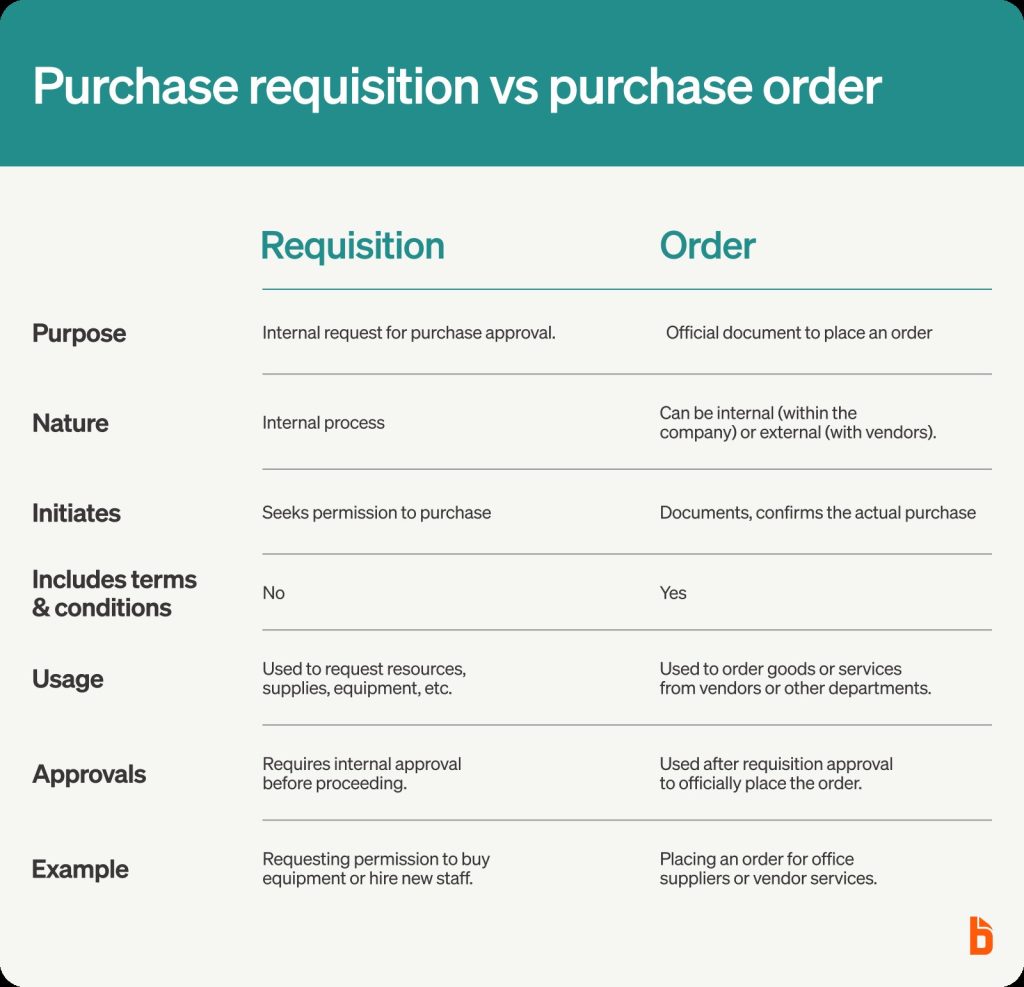
A requisition number is generated when a need for goods or services is identified, initiating the procurement process. On the other hand, a purchase order number is created after the requisition is approved, authorizing the actual purchase transaction.
Final Thoughts
In conclusion, a requisition number is a unique identifier assigned to a request for goods or services within a business. It helps track and manage the procurement process efficiently. Ensuring all transactions are properly recorded and authorized. Utilizing requisition numbers streamlines operations and enhances transparency.