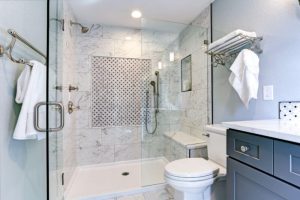
Understanding the average shower replacement cost is one of the first steps homeowners take when planning a bathroom update. Whether you’re upgrading an outdated enclosure, addressing leaks, or transforming your shower into a more accessible space, knowing what drives pricing helps you set a realistic budget—and prevents surprises once the work begins. In California, where labor, materials, and home conditions vary widely, a thoughtful breakdown of cost factors is essential for smart planning.
Most homeowners expect a shower replacement to involve removing an existing tub or shower and installing a new unit with updated materials. But the true scope is often more complex. Aging plumbing, water damage, outdated electrical components, or structural adjustments can influence both cost and timelines. That’s why gathering accurate information is just as important as selecting your new fixtures and finishes.
The size and layout of your current shower play a major role in determining material and labor costs. Standard sizes such as 60-inch tub-shower combos or 36-inch neo-angle showers are usually more affordable to replace because materials are widely available and installation is straightforward. Custom or oversized showers require additional tile, larger glass panels, more complex waterproofing, and longer installation time—all of which increase the overall investment.
Material choice is another major cost driver. Acrylic and fiberglass shower systems are typically more budget-friendly and quicker to install. They provide a clean appearance and come in a range of modern designs. Tile showers, on the other hand, offer customized aesthetics and long-lasting durability but require extensive labor. Tile selection—porcelain, ceramic, marble, or stone—also influences pricing. Large-format tiles reduce grout lines and deliver a streamlined look, but they can be more expensive and difficult to handle. Accent bands, niche details, and patterns add beauty but also increase labor hours.
Glass enclosures significantly impact the cost of a shower replacement. A framed sliding door is far less expensive than a custom frameless enclosure with thick glass. Homeowners opting for low-iron glass enjoy clearer visibility and a high-end appearance, but they’ll pay a premium compared to standard tempered glass. Hardware finishes—black, brushed nickel, chrome, gold—also vary in price based on durability and style.
Plumbing adjustments are often necessary, especially in older homes. If you’re relocating the showerhead, raising it, or converting a tub to a walk-in shower, plumbing costs will increase. California homes built before modern code requirements may need upgraded piping or valves to ensure safe operation. Water pressure issues, leaks, or aging galvanized plumbing can further influence labor needs. Though these items add to your initial investment, they are crucial for preventing future problems.
Waterproofing is one of the most important parts of a shower replacement and should never be compromised. High-quality waterproof membranes, cement boards, and proper sealing add to both cost and longevity. Failure in waterproofing is one of the most expensive remodeling problems to fix later, so it’s worth prioritizing materials and craftsmanship here. Homeowners sometimes underestimate this component, yet it’s the foundation of a durable, leak-free shower.
Beyond structural elements, design preferences also affect price. Built-in benches, shelving niches, multiple showerheads, and specialty fixtures such as rain heads or body sprays require additional labor and materials. These features elevate the experience but must be balanced against your total budget. Lighting upgrades, such as moisture-rated recessed lights in the shower area, also contribute to cost but significantly improve functionality.
During the mid-stage of your planning, you’ll likely research contract services and even encounter professionals who offer Average Shower Replacement Pricing across different levels of scope. These specialists can help clarify what’s included in a quote, whether demolition and disposal fees are covered, and how material allowances work. Transparent estimates are essential—especially for complex projects where hidden issues may emerge.
Another factor influencing total cost is accessibility. If you’re converting to a curbless or low-threshold shower, floor adjustments may be required. This often includes modifying joists, lowering subfloor sections, or updating drainage systems. While accessibility features improve safety and convenience, they do increase labor complexity.
Homeowners should also consider location-specific factors. In California, labor rates are typically higher than the national average. Local permitting requirements, water efficiency regulations, or building codes may influence both timelines and costs. For example, low-flow fixtures must meet state standards, and some remodels require local inspections. Factoring these into your timeline helps you stay on track.
Finishing touches, though smaller line items, contribute to both aesthetics and cost. Grout type, sealants, grab bars, towel hooks, mirrors, and ventilation fans all affect your final number. Choosing durable, mold-resistant grout and updating or adding a high-quality exhaust fan protects your investment long term.
While planning, many homeowners also browse contractor references or explore listings from Business listings in Sacramento to compare providers. Listings can help you understand variations in pricing, scope of services, and reputation. It’s always wise to look for professionals with strong portfolios, clear communication, and a history of dependable workmanship.
A well-planned shower replacement is more than a cosmetic update—it’s an investment in comfort, safety, and long-term value. Taking time to understand what drives pricing helps you choose the right materials, avoid unexpected costs, and partner with a contractor who can deliver quality results.
If you’re considering a shower replacement soon, gather inspiration, outline your must-have upgrades, and seek estimates from experienced local professionals. With thoughtful planning and clear expectations, your new shower can enhance both your daily routine and the overall appeal of your home.